Best Cat Furniture to Create Personal Space
Best cat furniture to create personal space is one of the most effective ways to reduce stress, prevent behavior issues, and help your cat feel truly at home — and that’s exactly why it matters from the very first day your cat moves in.
Cats don’t just want space.
They want their space.
When a cat lacks personal territory, problems often follow: hiding, scratching furniture, nighttime zoomies, tension with other pets, or constant clinginess that leaves you wondering, “Why won’t my cat ever leave me alone?”
The good news?
The right cat furniture can quietly fix most of this — without training, punishment, or stress.
Quick Answer: How Cat Furniture Creates Personal Space
- Cats feel safer when they control vertical and enclosed spaces
- Dedicated furniture reduces territorial stress and unwanted behaviors
- The best cat furniture supports sleep, observation, and retreat
- Placement matters as much as the furniture itself
- A calm cat is usually a cat with enough personal space
Why Personal Space Matters So Much to Cats
Cats may live with us, but they still think like territorial animals.
In the wild, a cat’s survival depends on:
- Safe resting spots
- Clear escape routes
- Elevated observation points
Your living room doesn’t automatically provide those things — especially in busy homes.
When cats don’t have personal space, they often:
- Sit on laptops, books, or keyboards
- Follow you from room to room
- Claim countertops, shelves, or closets
- Become defensive or overstimulated
This isn’t “bad behavior.”
It’s your cat saying: “I need a place that’s mine.”
If you’ve noticed your cat constantly occupying your personal items, this behavior is deeply tied to territory and comfort.
Signs Your Cat Lacks Personal Space
Before buying anything, it helps to recognize the signals.
Your cat may need better furniture if they:
- Sleep only in hidden or awkward spots
- Scratch furniture despite having a scratcher
- Appear restless at night
- Become aggressive when approached while resting
- Hover around you instead of relaxing independently
Cat furniture isn’t about spoiling.
It’s about meeting instinctual needs.
Types of Cat Furniture That Create Personal Space
Not all cat furniture solves the same problem.
Here’s how different options serve different needs.
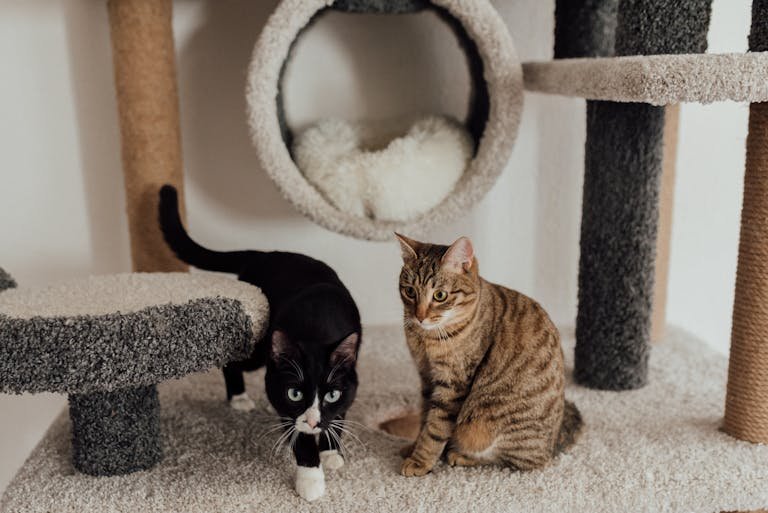
1. Elevated Cat Trees and Towers
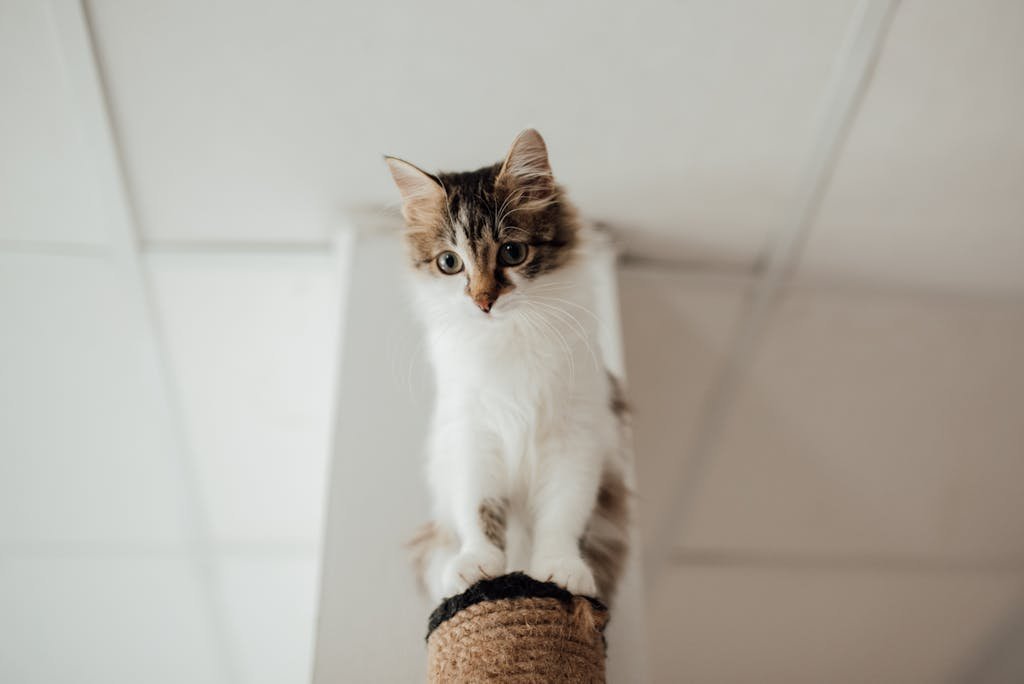
Height equals safety in a cat’s mind.
Why they work
- Allow cats to observe without being disturbed
- Reduce tension in multi-pet homes
- Offer multiple “zones” within one structure
Best for
- Curious cats
- Multi-cat households
- Homes with dogs or kids
Look for sturdy bases and platforms large enough for full-body lounging.
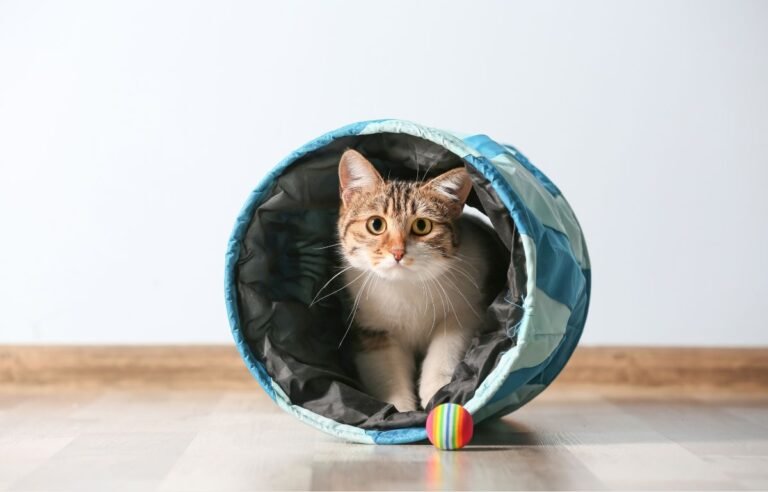
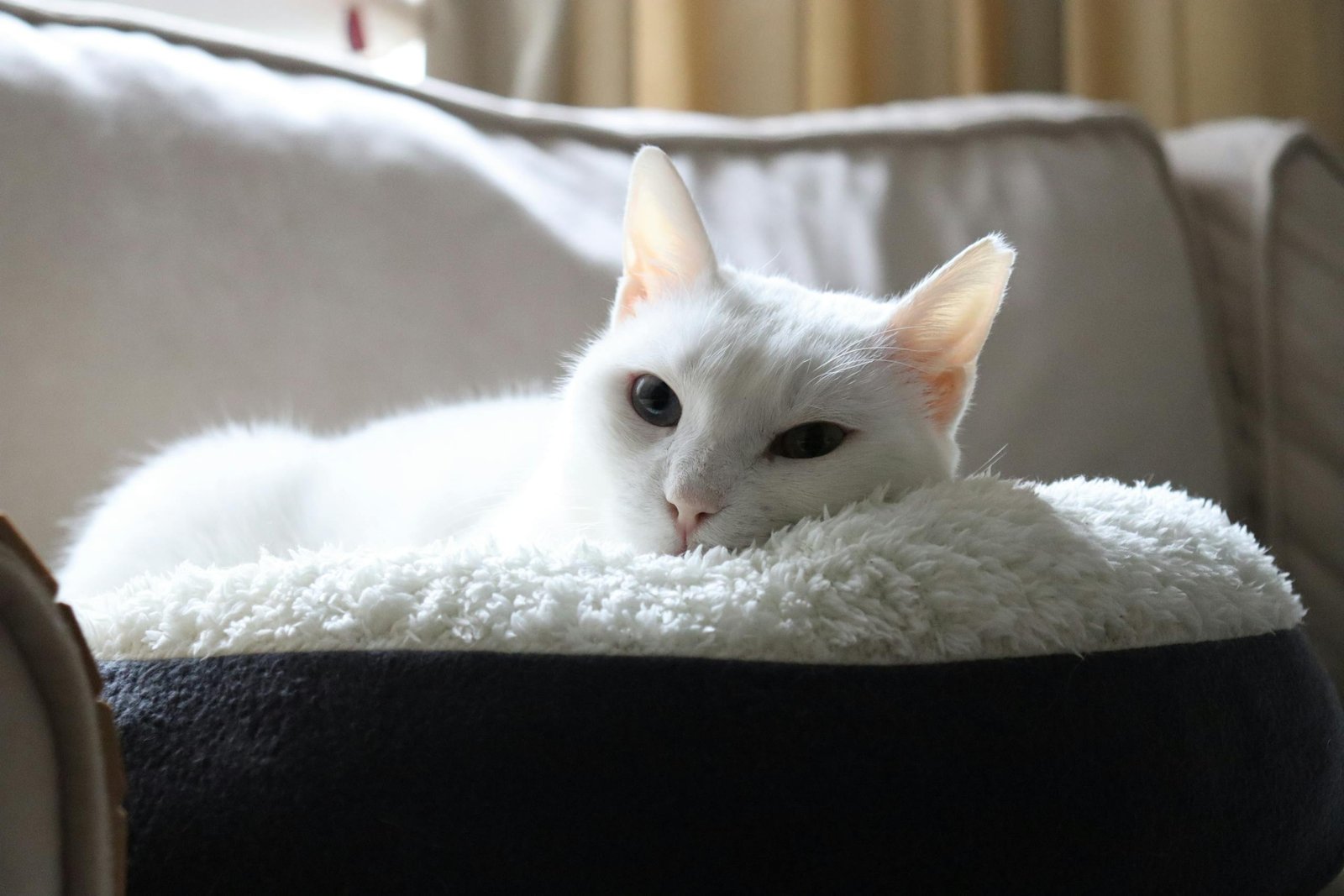
2. Enclosed Cat Beds (Caves & Pods)
Some cats want to see everything.
Others want to see nothing.
Enclosed beds provide:
- Warmth
- Darkness
- Sound reduction
They’re especially helpful for anxious or easily overstimulated cats.
If nighttime restlessness is an issue, calming bed styles can make a huge difference.
3. Wall-Mounted Cat Furniture
Wall shelves, bridges, and steps are game-changers for small spaces.
Why cats love them
- Zero competition for floor space
- Clear travel paths above human activity
- Customizable layouts
These setups turn your walls into a personal cat highway.
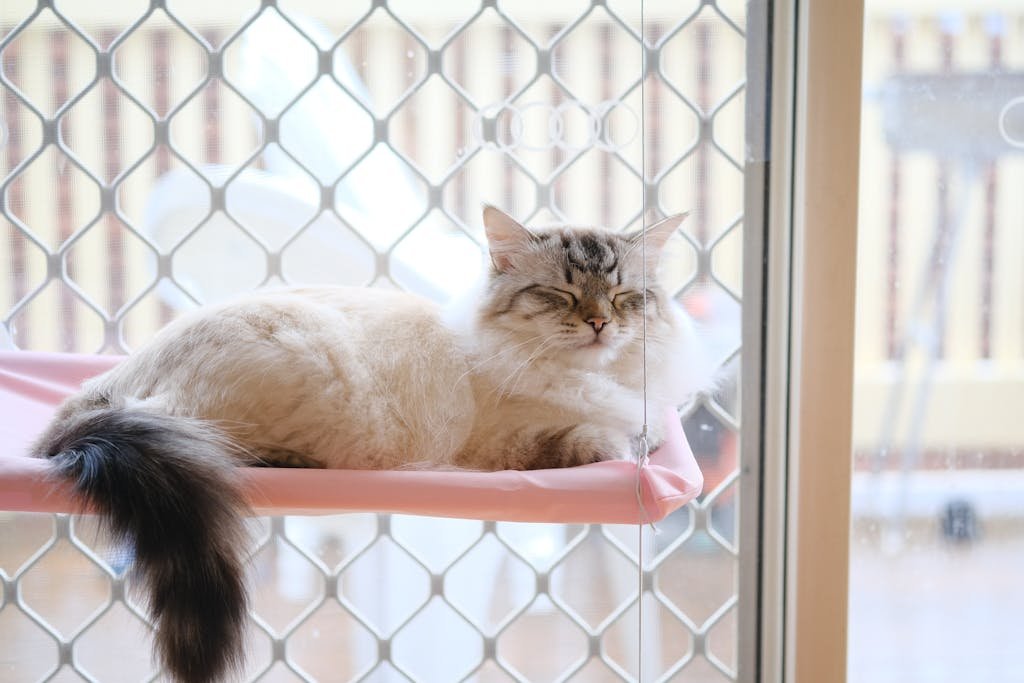
4. Window Perches
Cats need mental stimulation — and windows provide endless entertainment.
Birds. Cars. Leaves. Neighbors.
A secure window perch:
- Reduces boredom
- Encourages calm observation
- Helps indoor cats feel connected to the outside world
Just make sure suction cups or mounts are rated for your cat’s weight.
5. Multi-Function Furniture (Scratcher + Bed)
Cats don’t separate activities like we do.
Sleeping, scratching, and stretching often happen in the same spot.
Multi-function furniture:
- Saves space
- Reduces furniture damage
- Encourages consistent use
Cardboard scratcher lounges are especially popular for this reason.
Solutions Section: Problem → Furniture Fix
Let’s match common cat issues with the right furniture solutions.
Problem: Your cat won’t stop following you
Cause
Your cat doesn’t feel secure enough to relax alone.
Fix
Add a cozy bed or perch in the same room where you spend time — close, but not on you.
Problem: Your cat hides under beds or furniture
Cause
They need an enclosed retreat that feels safe.
Fix
Use a covered cat cave or enclosed bed placed in a quiet corner.
Problem: Scratching furniture constantly
Cause
Your cat lacks acceptable territory markers.
Fix
Place scratcher furniture near problem areas — not hidden away.
Problem: Nighttime zoomies and restlessness
Cause
Pent-up energy or poor-quality sleep spots.
Fix
Elevated beds or calming enclosed furniture in sleeping areas.
Problem: Tension between multiple cats
Cause
Shared territory without vertical separation.
Fix
Add height-based furniture so each cat can claim space without conflict.
Buyer’s Guide: How to Choose the Right Cat Furniture
Before buying, ask yourself a few key questions.
Size & Stability
- Can your cat stretch fully?
- Is the base wide and weighted?
- Will it wobble during jumps?
Materials
- Natural fabrics feel safer to cats
- Avoid strong chemical smells
- Sisal is better than carpet for scratching
Cat Personality
- Shy cats prefer enclosed spaces
- Confident cats love height
- Seniors need lower, easy-access furniture
Safety Considerations
- Avoid sharp edges
- Secure wall-mounted items properly
- Replace worn-out furniture promptly
Good cat furniture should support your cat — not become a hazard.
Redirecting Unwanted Behavior with Better Space
Many behavior problems disappear once cats have appropriate outlets.
Instead of yelling or moving your cat constantly, redirect.
If your cat insists on inappropriate surfaces, gentle redirection strategies paired with better furniture work far better than discipline.
FAQs About Cat Furniture and Personal Space
How many furniture pieces does one cat need?
Most cats benefit from at least two to three dedicated spaces — one elevated, one enclosed, and one scratching option.
Is cat furniture necessary for indoor cats?
Yes. Indoor cats rely entirely on your home for stimulation and territory.
What if my cat ignores new furniture?
Placement matters. Try moving it near windows, sleeping areas, or social zones.
Can cat furniture reduce anxiety?
While not a cure, proper furniture significantly lowers stress by increasing control and predictability.
Is expensive furniture always better?
Not always. Stability, comfort, and placement matter more than price.
Do kittens need personal space furniture?
Absolutely. Early access helps prevent future behavior issues.
Final Thoughts: Space Is Love (to a Cat)
Cats don’t ask for much.
But when they ask for space, they mean it.
The best cat furniture to create personal space isn’t about filling your home with pet products — it’s about creating a calm, balanced environment where your cat feels secure enough to truly relax.
When your cat has their own territory:
- They’re calmer
- More confident
- More affectionate (on their terms)
And honestly?
Life gets easier for everyone.