Best Cat Litter for Odor Control: Top Choices That Actually Work
Best cat litter for odor control can completely change how your home smells. Anyone who lives with a cat knows this truth.
One moment everything feels fresh, and the next moment the litter box announces itself loudly. That sharp smell can travel through the whole apartment.
Fortunately, the right litter can make a huge difference. Some products trap odor immediately, while others seem to release it into the air. Choosing wisely saves you from constant cleaning and awkward moments when guests arrive.
In this guide, we will explore the best cat litter for odor control, why certain formulas work better, and how to choose the right option for your home.
We will also look at real product types that cat owners love. Some are budget friendly, others focus on natural ingredients, and a few work especially well in homes with multiple cats.
And of course, along the way you will get practical tips that help the litter box stay fresh longer.
Why Cat Litter Odor Happens in the First Place
Before choosing the best cat litter for odor control, it helps to understand where the smell actually comes from.
Many people think the litter itself smells bad, but the real cause is chemistry. Cat urine contains compounds that turn into ammonia. Once that process begins, the odor becomes very noticeable. The litter’s job is simple. It must absorb moisture quickly and trap odor before it spreads through the room.
The Role of Ammonia
Cat urine contains urea, and bacteria convert it into ammonia. That strong smell appears when the litter cannot absorb liquid fast enough. Poor quality litter often leaves moisture on the surface, and that allows odor to spread quickly.
Bacteria and Moisture
Warm and moist litter boxes create perfect conditions for bacteria. The longer waste stays in the box, the stronger the smell becomes. This is why even the best cat litter for odor control still requires regular scooping.
Some Litters Simply Work Better
Not all litters are built the same.
Certain formulas contain activated charcoal or baking soda that neutralize odor molecules. Others rely only on absorption, which means they lose effectiveness faster.
What Makes the Best Cat Litter for Odor Control
When comparing litter products, several key features determine how well they control odor.
Strong Absorption
The best cat litter for odor control absorbs liquid immediately. Fast absorption prevents moisture from sitting on the surface, and that reduces odor formation.
Clay litter and silica crystals usually perform well here. Plant based litters can also absorb moisture efficiently.
Tight Clumping
Clumping litter forms solid clumps around urine. That allows you to remove waste easily, and it prevents odor from spreading through the rest of the box.
Loose litter that breaks apart often leaves hidden waste behind.
Natural Odor Neutralizers
Some litters include ingredients designed to neutralize odor.
Common examples include:
- Activated charcoal
- Baking soda
- Plant enzymes
These ingredients help break down odor molecules rather than simply covering them.
Low Dust Levels
Dusty litter can spread fine particles into the air.
Those particles sometimes carry odor with them. Low dust litter keeps both the air and the litter box cleaner.
Types of Cat Litter That Control Odor Best
Different litter materials perform differently when it comes to odor control. Some excel at absorption, while others rely on natural ingredients.
Clay Clumping Litter
Clay litter remains one of the most popular choices for odor control.
Pros
- Strong clumping makes cleaning easy
- Usually excellent odor control
- Widely available and affordable
Cons
- Can produce dust
- Heavier than other options
For many cat owners, clay litter offers the best balance between performance and price.
Silica Crystal Litter
Crystal litter uses silica gel to absorb moisture.
Pros
- Exceptional absorption
- Very low odor buildup
- Often lasts longer than traditional litter
Cons
- Some cats dislike the texture
- Usually more expensive
Many people consider crystal litter among the best cat litter for odor control, especially in small apartments.
Natural and Plant-Based Litter
Eco friendly litter options have become very popular.
Common materials include:
- Corn
- Wheat
- Wood
- Recycled paper
Pros
- Environmentally friendly
- Often biodegradable
- Lower dust levels
Cons
- Sometimes weaker odor control
- Certain formulas track outside the box
Still, newer plant based litters perform surprisingly well.
Best Cat Litter for Odor Control: Top Picks
Many products claim to eliminate odor, but only a few consistently deliver strong results.
Here are some types cat owners frequently recommend.
Best Overall Odor Control Litter
High quality clumping clay litter usually wins in this category.
These litters absorb moisture quickly and form tight clumps. That prevents urine from spreading through the box.
Many also include baking soda or charcoal for extra odor control.
Best Budget Cat Litter for Odor Control
Affordable clay litters often provide excellent value.
They may lack premium additives, but they still perform well when scooped daily.
Budget options work especially well for single cat households.
Best Natural Cat Litter for Odor Control
Corn or wheat based litter works surprisingly well in modern formulas.
These litters use plant enzymes to neutralize odor rather than masking it.
They also appeal to owners who prefer environmentally friendly products.
Best Litter for Multi Cat Homes
Homes with several cats require stronger odor control.
Heavy duty clumping litter designed for multi cat households usually contains enhanced odor neutralizers.
These formulas help prevent odor buildup throughout the day.
Tips to Keep Your Litter Box Smelling Fresh
Even the best cat litter for odor control needs a little help. Small habits can dramatically improve litter box freshness.
Scoop Daily
Daily scooping removes waste before bacteria spread odor.
Many cat owners notice that once a day cleaning is enough to maintain freshness.
Use Enough Litter
A shallow litter layer causes urine to reach the bottom of the box.
That quickly leads to unpleasant smells.
Aim for around three inches of litter depth.
Choose the Right Location
Litter boxes need ventilation.
Placing them in a closed cabinet might hide the box, but it also traps odor.
A well ventilated area keeps the smell from building up.
Replace Litter Regularly
Even strong litter eventually becomes saturated.
Replacing litter every two to three weeks helps maintain odor control.
Common Mistakes That Make Litter Smell Worse
Sometimes the litter is not the problem. Small mistakes can cause odor even with good products.
Using Too Little Litter
Thin litter layers cannot absorb enough moisture.
Urine reaches the bottom quickly and produces odor.
Skipping Daily Cleaning
Waste left overnight allows bacteria to multiply.
Regular scooping remains the most effective odor prevention method.
Choosing the Wrong Litter Type
Some cats dislike certain textures.
When that happens, they may avoid the box or use it improperly.
Understanding your cat’s preferences is important.
Ignoring Environmental Enrichment
Stress can affect litter habits.
Providing vertical space, resting areas, and enrichment helps maintain healthy behavior.
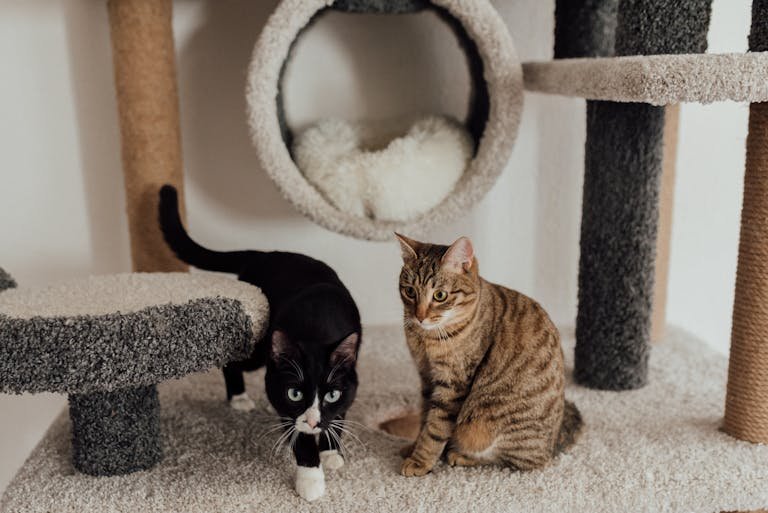
Many experts suggest adding best cat furniture to create personal space so cats feel comfortable and secure at home.
Playtime also matters. Some owners combine litter box solutions with top interactive cat toys for bored indoor cats to reduce stress and destructive habits.
How to Choose the Right Cat Litter for Your Home
Finding the best cat litter for odor control depends on several factors.
Consider Your Cat’s Preferences
Cats are picky creatures.
Some prefer soft litter, while others prefer coarse textures.
Trying a few types helps determine what your cat accepts.
Think About Your Living Space
Apartment living often requires stronger odor control.
In smaller homes, crystal litter or heavy duty clumping litter usually performs best.
Balance Price and Performance
Premium litter often lasts longer, which can offset the higher cost.
Cheaper litter may require more frequent replacement.
Consider Health and Safety
Low dust litter helps protect both human and feline respiratory systems.
Some owners also prefer natural formulas for environmental reasons.
FAQ
What cat litter controls odor the best?
High quality clumping clay litter usually offers the strongest odor control. Silica crystal litter also performs very well.
How often should cat litter be changed?
Most litter boxes should be fully replaced every two to three weeks. Daily scooping helps maintain freshness.
Is scented litter better for odor control?
Not necessarily. Some scented litters only mask odor instead of neutralizing it. Unscented formulas with charcoal often work better.
Does baking soda help reduce litter odor?
Yes. Baking soda can neutralize odor molecules and improve litter freshness.
What litter works best for multiple cats?
Heavy duty clumping litter designed for multi cat households usually provides the best odor control.