Best Products to Help Cats Adjust After Moving
Best products to help cats adjust after moving can make the difference between weeks of hiding under the bed and a smoother, calmer transition into your new home. If your cat has been acting withdrawn, jumpy, extra vocal, or suddenly “not themselves” after a move — you’re not alone. For cats, moving house isn’t exciting. It’s confusing, stressful, and a total disruption of everything they understand as safe.
The good news? With the right products — and a little patience — you can help your cat settle in faster and feel secure again.
Quick Answer: What Actually Helps Cats After a Move?
If you’re short on time, here’s what works best:
- Familiar scents calm cats faster than anything else
- Enclosed beds and hiding spots help reduce anxiety
- Vertical space restores confidence and territory control
- Calming tools can support nervous cats during transition
- Routine-based feeding and play anchors your cat emotionally
Now let’s break it all down — cause by cause, solution by solution.
Why Moving Is So Stressful for Cats
Cats are territorial by nature. Your old home wasn’t just a place — it was a carefully mapped world of smells, sounds, safe routes, and personal boundaries.
When you move, your cat loses:
- Their scent markers
- Familiar hiding places
- Predictable sounds and light patterns
- Their “ownership” of space
Many cat parents notice behavior changes right away. Some cats hide for days. Others become clingy, aggressive, or suddenly stop eating as much.
This reaction is completely normal, as it is common for a cat to act differently after moving.
Understanding the why makes choosing the right products much easier.
Common Post-Move Cat Behaviors (And What They Mean)
Hiding constantly
Your cat is trying to feel safe while learning the new environment.
Increased vocalization
They’re expressing stress or searching for familiar cues.
Reduced appetite
Stress can temporarily suppress eating.
Over-grooming or restlessness
This is often self-soothing behavior.
These signs usually improve, but supportive products can speed up the adjustment period significantly.
Solutions Section: Cause → Fix
Cause 1: Your Cat Feels Exposed and Unsafe
Fix: Enclosed Cat Beds & Covered Hiding Spots
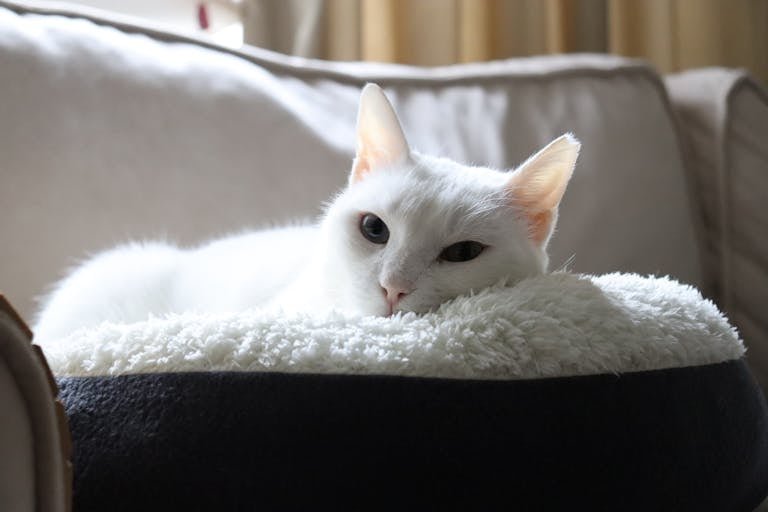
One of the best products to help cats adjust after moving is a covered or cave-style cat bed.
Why it works:
- Mimics the safety of a den
- Blocks overwhelming sights and sounds
- Helps cats self-regulate stress
Real-world example:
One cat parent shared that her normally confident tabby hid for four days after a move. Once she placed a familiar blanket inside a covered bed near a quiet corner, her cat started sleeping outside again within 48 hours.
What to look for:
- Soft interior
- Washable fabric
- Low entrance for easy access
Safety note: Avoid forcing your cat into the bed. Let them choose it.
Cause 2: Loss of Territory Control
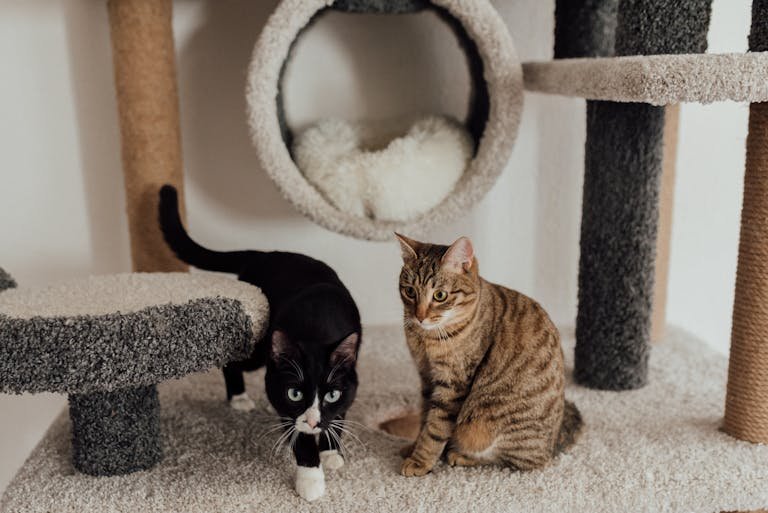
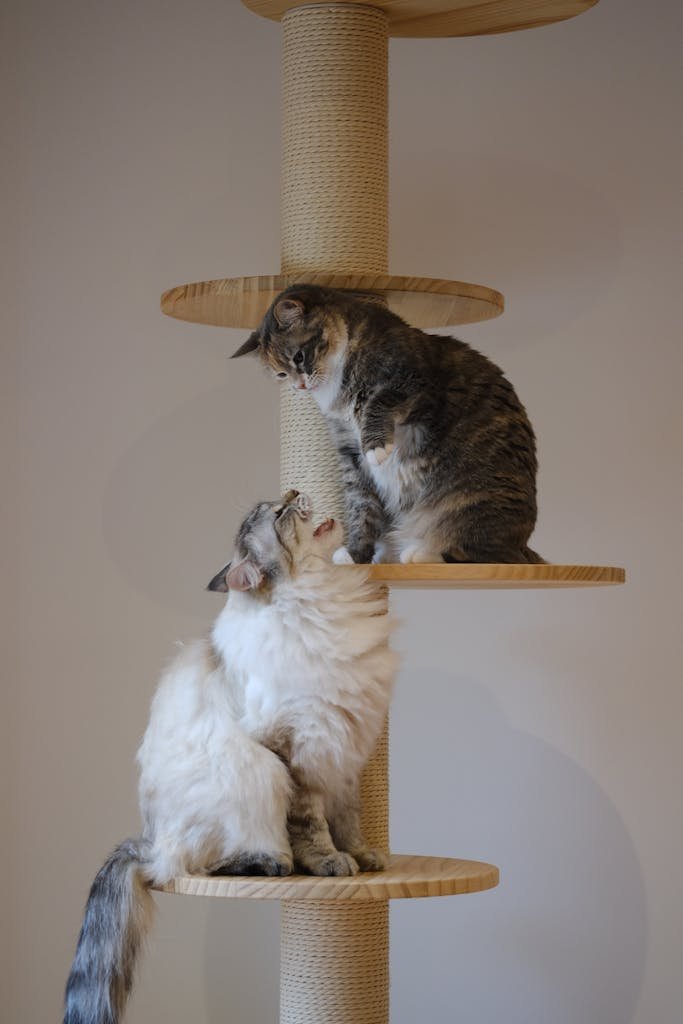
Fix: Vertical Space (Cat Trees & Wall Shelves)
Cats feel safer when they can observe from above. Height equals confidence.
Adding vertical territory:
- Helps your cat “map” the new space
- Reduces ground-level anxiety
- Restores a sense of ownership
A well-designed cat tree placed near a window or quiet wall can change behavior dramatically. This is why creating personal space is so effective — a concept explored in depth through smart cat furniture solutions that focus on territorial comfort.
Pro tip:
Choose stability over height. Wobbly furniture increases stress instead of reducing it.
Cause 3: New Smells Everywhere
Fix: Scent Anchors & Familiar Items
Your cat recognizes home by smell — not layout.
Helpful scent-based solutions:
- Old blankets or bedding (unwashed)
- Scratchers your cat already uses
- Towels rubbed on your cat’s cheeks placed around the home
These familiar scents signal safety.
Vet insight:
Many feline behaviorists agree that scent continuity is one of the fastest ways to lower post-move stress in cats.
Cause 4: Heightened Anxiety During Transition
Fix: Calming Tools (Used Thoughtfully)
Some cats benefit from gentle calming aids during the first few weeks.
Common options include:
- Calming collars
- Plug-in diffusers
- Herbal calming sprays
These tools don’t sedate your cat — they simply support emotional balance.
Safety considerations:
- Always follow the manufacturer’s instructions
- Avoid mixing multiple calming products at once
- Monitor your cat’s behavior for changes
If your cat shows extreme anxiety after moving that lasts for more than a few weeks, consult your veterinarian.
Cause 5: Disrupted Routine
Fix: Predictable Feeding & Play Schedules
Products alone won’t fix everything. Routine matters.
Helpful routine-supporting items:
- Timed feeders
- Puzzle feeders
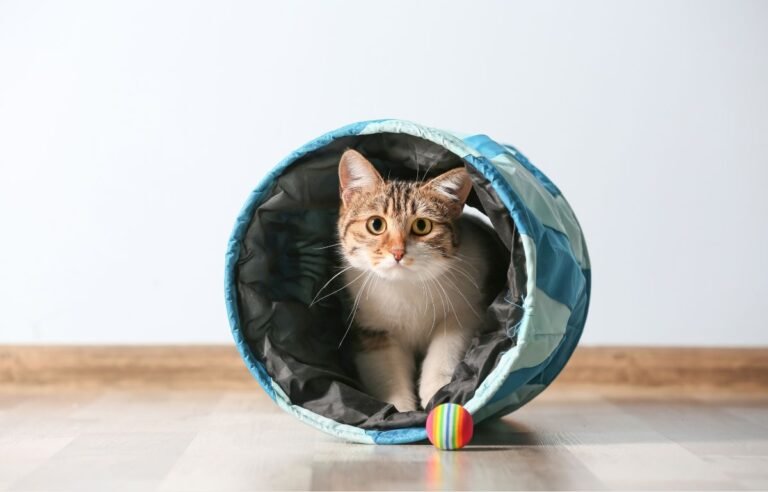
- Favorite toys used at the same time daily
Cats thrive on predictability. Feeding, playing, and resting at consistent times helps your cat rebuild trust in their environment.
Real-life tip:
Many cat parents report that evening play sessions followed by dinner help cats relax and sleep better after a move.
Buyer’s Guide: Choosing the Right Products After a Move
Before buying anything, ask yourself these questions:
1. Does this support safety or confidence?
Choose products that help your cat feel protected or in control.
2. Is it easy to introduce gradually?
Avoid anything that forces interaction.
3. Does it allow choice?
Cats cope better when they decide how and when to engage.
4. Is it stable and well-made?
Unstable furniture or noisy materials can backfire.
5. Can it carry familiar scents?
Washable is great — but don’t wash it right away.
What NOT to Do After Moving
- Don’t drag your cat out of hiding
- Don’t introduce too many new products at once
- Don’t rearrange furniture constantly in the first weeks
- Don’t punish stress-related behavior
Patience is not optional — it’s part of the solution.
FAQs About Helping Cats Adjust After Moving
How long does it take for a cat to adjust after moving?
Most cats begin to relax within 2–4 weeks, though sensitive cats may take longer.
Are calming products safe for cats?
Most are safe when used as directed, but they should support — not replace — routine and environmental comfort.
Should I confine my cat to one room at first?
Yes, starting with a “safe room” often reduces overwhelm and speeds adjustment.
Do cats miss their old house?
Cats don’t miss places the way humans do, but they miss the familiarity and safety those spaces provided.
Can toys really help with moving stress?
Yes. Play releases tension and helps cats regain confidence in new surroundings.
Should I buy everything new after moving?
No. Familiar items are more comforting than brand-new ones.
Final Thoughts
Moving is a big emotional event for your cat — even if they don’t show it the way we expect. The best products to help cats adjust after moving are the ones that restore safety, routine, and a sense of control.
Go slow. Observe your cat. Let them lead the process.
With the right environment and thoughtful product choices, most cats don’t just adjust — they eventually thrive.
Explore more expert tips and product recommendations at BestCatStuff.com — because your cat deserves the best. 🐾